What Happens When Dog Waste Sits in Your Yard?
Bacteria, Parasites, and the Real Health Risks
Scoop N' Poop • May 2026 • Dallas-Fort Worth, TX
Dog waste left in the yard is not just unpleasant — it produces meaningful health risks. Each pile contains millions of bacteria including E. coli, Salmonella, Giardia, and Campylobacter. Parasites like roundworms and hookworms can persist in soil for months or years, infecting pets, kids, and adults who come into contact. The longer waste sits, the deeper into the soil the contamination penetrates.
The Honest Picture Most Pet Owners Never Get
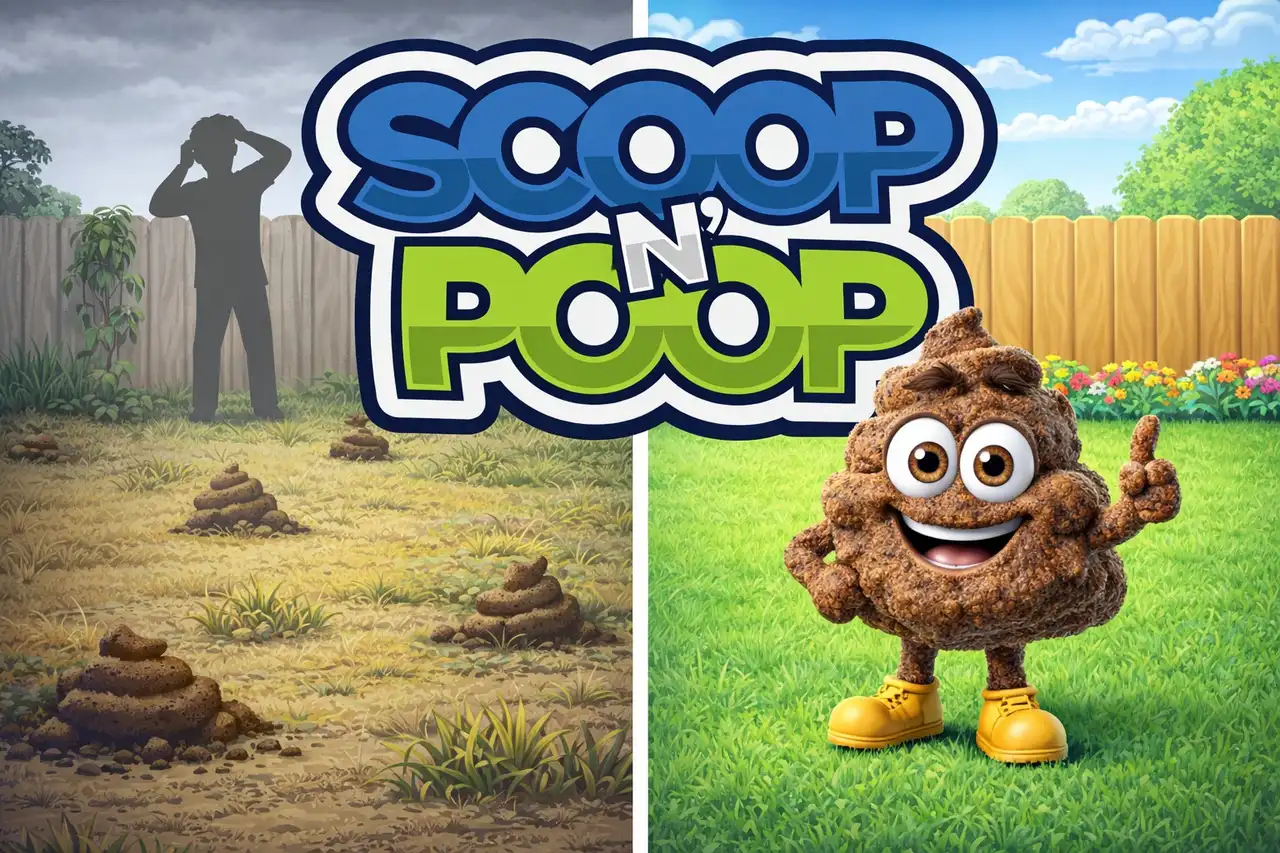
If you have a dog and a yard, you have probably wondered whether dog waste is really that big a deal. The intuitive answer is 'no, dogs are clean enough.' The actual answer — based on what bacteriologists and veterinarians know — is 'yes, more than most owners realize.' This is not a scare tactic. It is honest information that most pet owners never get because nobody talks about it. Across DFW, here is what actually happens when dog waste accumulates in a yard.
What Is Actually in Dog Waste
A single gram of dog waste contains roughly 23 million fecal coliform bacteria. Healthy dogs may carry these pathogens without showing symptoms — their waste is not visibly different, but the contamination is present.
E. coli & Salmonella
Some E. coli strains are dangerous to humans. Salmonella causes serious gastrointestinal illness in people of all ages.
Giardia & Campylobacter
Giardia is transmitted through soil contact and causes prolonged digestive issues. Campylobacter is another serious bacterial pathogen.
Roundworms & Hookworms
Various parasites including roundworms, hookworms, whipworms, tapeworms, and Coccidia affect both dogs and humans.
How Long Pathogens Survive in Soil
Even after visible waste has decomposed or been cleaned up, the soil remains contaminated for varying periods. The longer waste accumulates, the deeper and broader the contamination spreads.
Bacteria
Some bacteria die within days. Others persist for weeks to months in soil, especially in shaded or moist areas.
Roundworm Eggs
Roundworm eggs can remain viable in soil for years — long after the original waste has fully decomposed and disappeared.
Hookworm Larvae
Hookworm larvae survive for weeks to months in warm, moist soil. Giardia cysts persist for months in cool conditions.
How DFW Climate Makes It Worse
The Dallas-Fort Worth climate is essentially ideal for many of these pathogens. Yards in DFW that have not been properly maintained can accumulate significant contamination over time.
Warm Temperatures
Favor rapid bacterial growth and spread throughout the yard.
Humid Summers
Support parasite survival in soil well beyond visible waste decomposition.
Heavy Rains
Spread contamination across the yard and deep into soil layers throughout the season.
Long Warm Seasons
Extend the active period for pathogens far beyond what colder climates experience.
Who Is Most At Risk
Young Children
Toddlers who put hands in mouths and crawl on grass face especially high exposure risk in contaminated yards.
Pregnant Women
Pregnant women can be more vulnerable to certain infections carried in pet waste and contaminated soil.
Immunocompromised Adults
Adults on certain medications, managing illness, or older in age face elevated risk from yard pathogens.
Other Pets
Dogs that share the yard, eat grass, or chew on yard objects can pick up and re-spread parasites and bacteria.
Common Misconceptions
"It's natural fertilizer"
Dog waste has too high a nitrogen and salt content for grass and actually damages lawns. It is not the same as cow manure or compost.
"Sun and rain will take care of it"
Sunlight kills some surface pathogens, but contamination moves into soil quickly. Rain spreads it further rather than eliminating it.
"My dog is healthy so the waste is fine"
Healthy dogs still shed bacteria and parasites in normal volumes. Symptom-free does not mean pathogen-free.
"It just decomposes naturally"
Decomposition takes weeks to months and leaves behind soil-borne pathogens that persist long after the waste is gone.
What Professional Waste Removal Actually Does
Beyond just removing visible waste, regular professional service provides protections that DIY cleanup cannot fully replicate.
Early Removal
Removes waste before significant contamination reaches soil, breaking the pathogen cycle before it starts.
Tool Disinfection
Scooping tools are disinfected between properties to prevent cross-contamination from yard to yard.
Proper Disposal
Waste is bagged and disposed of properly — not left in your trash where it can leak and contaminate further.
Health Monitoring
Monitors your yard for unusual waste patterns that might indicate underlying pet health issues.
Protect Your DFW Yard, Pets, and Family
Regular waste removal combined with proper veterinary parasite prevention dramatically reduces risk for both your family and your pets. If you have a Dallas-Fort Worth yard and dogs and have not had professional pet waste removal service, this is one of the most overlooked aspects of yard health and family safety. We are glad to talk through what regular service would look like for your specific situation.